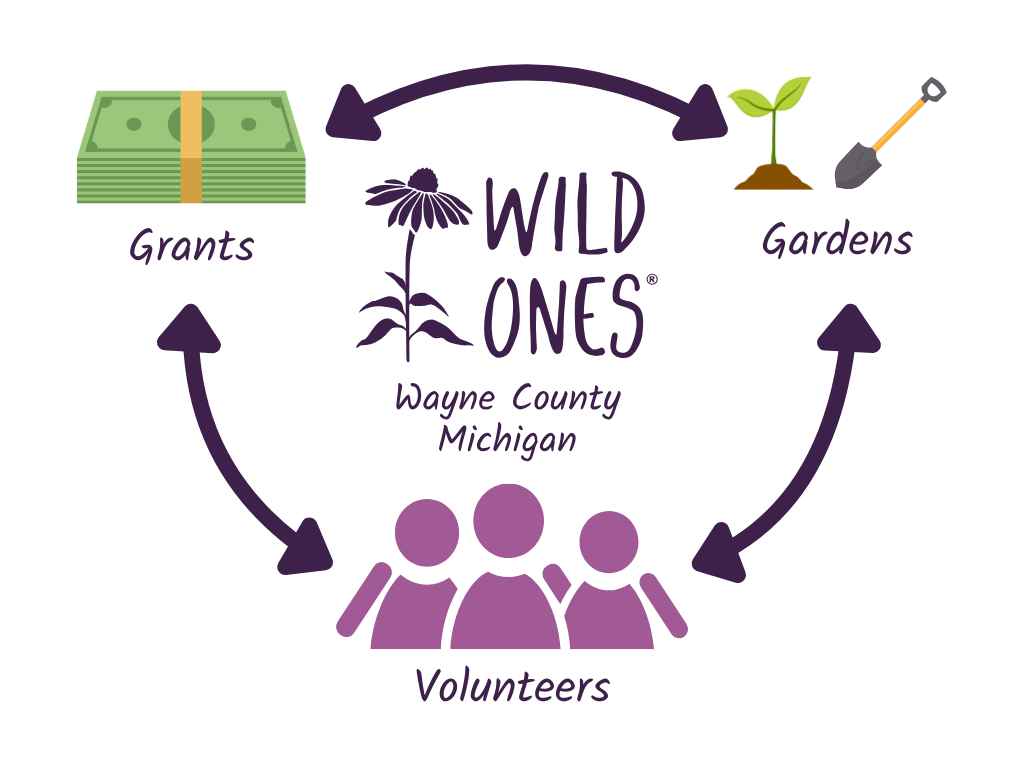
Native plant gardens need both community energy and financial resources to thrive. Grants are an impactful way to support the creation and upkeep of these gardens in our schools, parks, and public spaces.
The goal of the WOWC Native Plant Garden Grants program is to connect community partners with both funding and volunteers to make meaningful outdoor spaces that support native ecosystems, offer hands-on learning, and strengthen neighborhood connections
What Is a Grant?
A grant is funding provided by an organization to support a specific project or goal. Grants are commonly used to support educational, environmental, and community-based initiatives and often require a short application outlining the project’s purpose, budget, and expected outcomes.
Grant funding can help offset costs such as planning, materials, plants, signage, or educational components. While each grant has its own requirements, most are designed to support projects that provide clear public or community benefit.
Our Grant Support
Our purpose is to help community partners navigate the grant process by offering guidance, resources, and connections. Our role is to support grant exploration and planning but not necessarily lead or manage every aspect of a project.
Support may include:
- Identifying grant opportunities aligned with native plant and education goals
- Helping define project goals and desired outcomes
- Assisting with application materials or reviewing drafts
- Offering guidance on budgeting, materials, or native plant considerations
- Connecting projects with additional resources or expertise
From Idea to Garden
Identifying a Project
Projects may begin when:
- A school or community organization expresses interest
- A WOWC member suggests a potential site
- A partnership forms through local connections
WOWC helps explore whether the project is a good fit for available grant funding.
Applying for Funding
Volunteer support during this phase may include:
- Clarifying project goals and expected outcomes
- Developing a realistic budget
- Identifying materials and plant needs
- Supporting parts of the application process
Project partners take the lead on applications, with WOWC offering guidance as needed.
After Funding Is Awarded
When a grant is approved, WOWC may assist by:
- Sharing organizational tools and next-step guidance
- Supporting communication among project partners
- Offering consultation or native plant insights
Implementation and long-term care are led by the host organization.
How To Get Involved
You don’t need to be a grant writer or native plant expert to participate. Volunteers can choose the level and type of involvement that feels right for them.
Volunteers may:
- Share information about grant opportunities
- Help with portions of a grant application or review
- Offer input on site conditions or native plant selections
- Connect schools or community groups with resources
- Participate in project activities when available
- Assist with storytelling, photography, or documentation
Project-Level Opportunities
Native garden projects often create opportunities for volunteers who enjoy hands-on or creative involvement. These activities vary by project and are typically hosted by the partner site.
Garden Design & Plant Selection
Volunteers may help consider site conditions, native plant choices, pollinator benefits, accessibility, and maintenance needs.
Planting Days
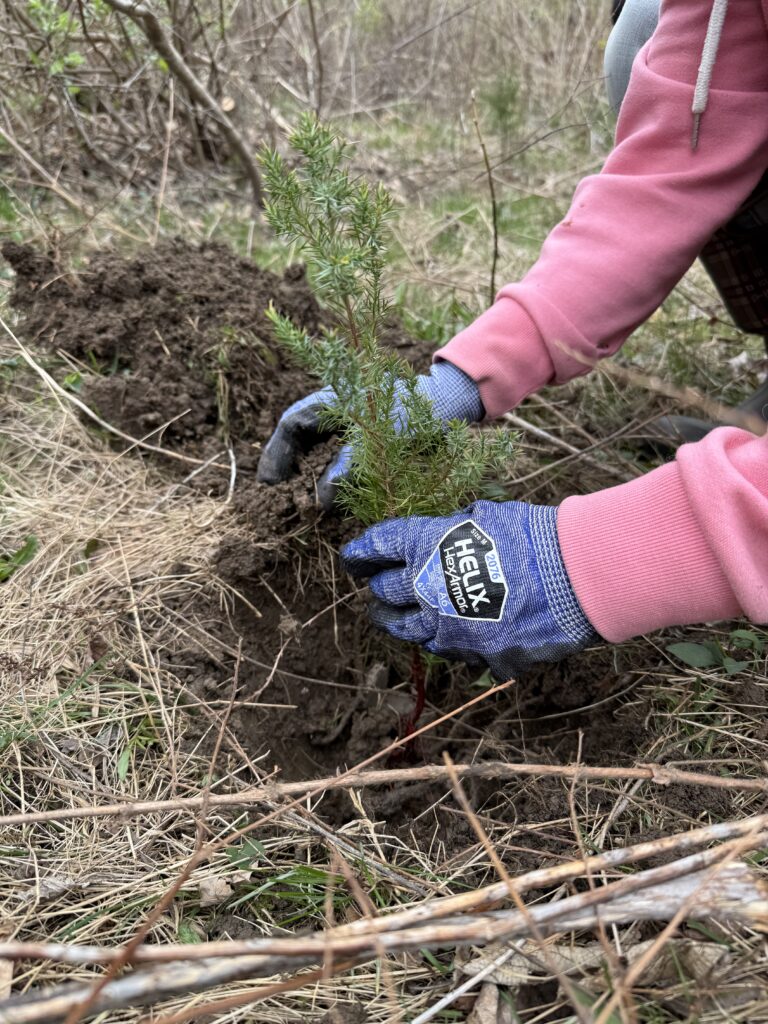
Some projects include community planting events led by the host organization. Volunteers may help prepare the site, share basic planting guidance, or join in alongside students and families.
Caring for the Garden
Ongoing maintenance is the responsibility of the host site, but volunteers may share seasonal care resources or offer occasional support.
Art, Signage & Learning Features
Projects may include educational signs, artwork, or outdoor learning elements. Volunteers can help brainstorm ideas or support documentation and planning.
Sharing the Story
Volunteers may help collect photos, stories, or outcomes that celebrate the project and support future grant efforts.