
Return to Monthly Seed Collection Lists Page
Late October is prime time to collect seed from many native plants in Wayne County. Some of the wildflowers on this list are trailing off for the season, so the sooner you head out, the better. Shrubs and trees are also ripe now, and many hold their fruit into early winter.
Forbs
Anemone virginiana (Thimbleweed)
Wait until the thimble-shaped heads turn cottony and dry. Snip the heads into a bag, then rub them to separate the seeds from the fluff.
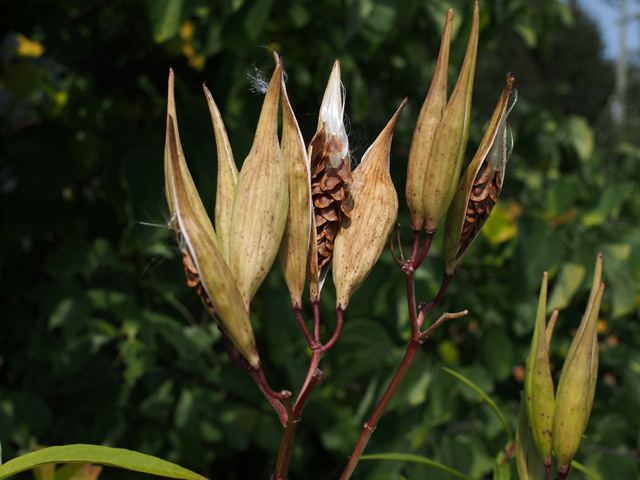
Asclepias spp. (Milkweed)
Pick pods as they turn brown or begin to split, before the silk carries the seed off on the wind. Snip both ends of brown or split pods and carefully remove the inside, which lets you separate the seeds from the majority of the fluff. If a pod is still green and firm, leave it for another week.
Baptisia spp. (Wild Indigo)
Wait until pods turn black and the seeds rattle inside. Snip the pods into a bag, then crack them open to release the seed.
White Wild Indigo Species Info
Blue Wild Indigo Species Info
Cream Wild Indigo Species Info
Small Yellow Wild Indigo Species Info
Large Yellow Wild Indigo Species Info
Desmodium spp. (Tick Trefoil)
Collect the dry, segmented pods. They stick to everything you’re wearing, so pick them carefully and expect to pick a few off your clothes.
Showy Tick Trefoil Species Info
Panicled Tick Trefoil Species Info
Pointed-leaved Tick Trefoil Species Info
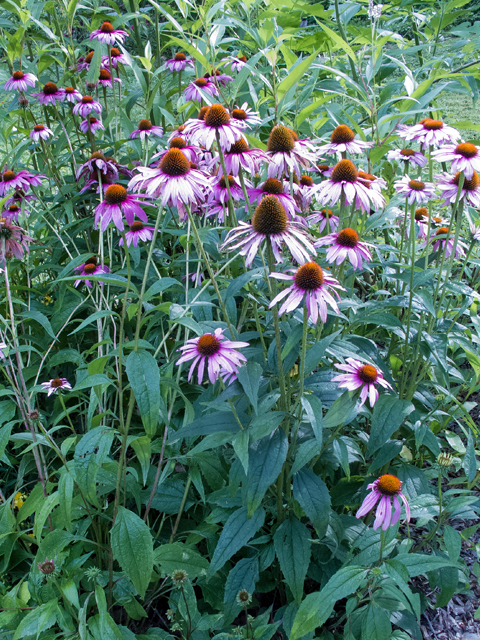
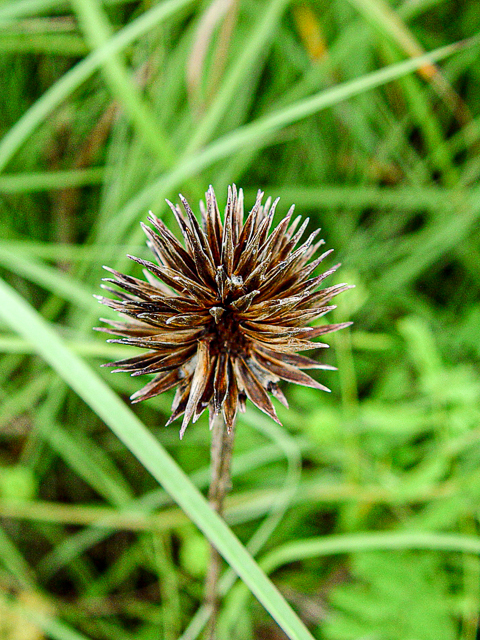
Echinacea spp. (Purple and Pale Purple Coneflower)
Snip seed heads once the cones are dark, dry, and spiky. Finish drying them in a paper bag, then rub the cones to release the seed. Leave plenty for the birds.
Purple Coneflower Species Info
Pale Purple Coneflower Species Info
Eryngium yuccifolium (Rattlesnake Master)
Snip the spiky, ball-shaped heads once they turn dry and tan. Finish drying them in a paper bag, then crush the heads to release the seed.
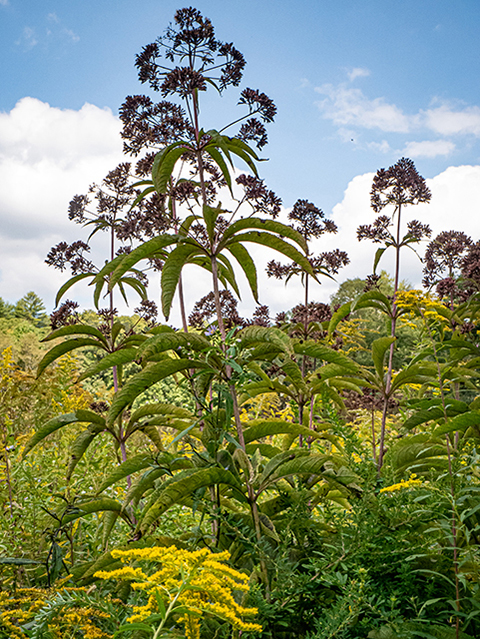
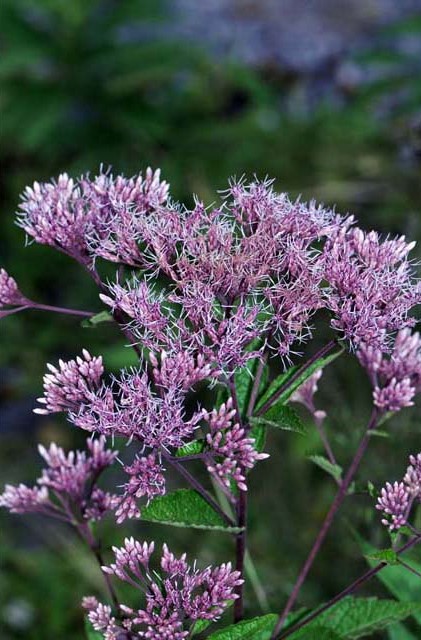
Eupatorium perfoliatum (Boneset) and Eutrochium spp. (Joe Pye Weed)
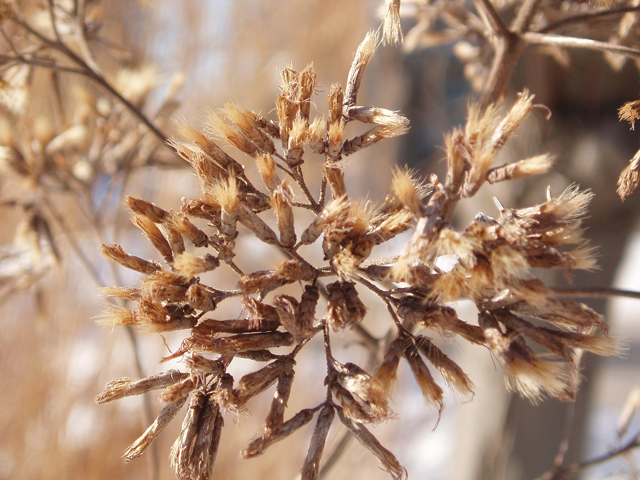
Most stands are trailing off for the season, so check them soon. snip dull gray-brown, fluffy heads into a bag and shake to release the seeds, which can be cleaned later.
Boneset Species Info
Hollow Joe Pye Weed Species Info
Spotted Joe Pye Weed Species Info
Sweet Joe Pye Weed Species Info
Gentiana andrewsii (Bottle Gentian)
Snip the dry, brown capsules into a bag. The seed is very fine, so open the capsules gently over a clean surface or a sheet of paper.
Helianthus spp. (Native Sunflowers)
Wait until the heads turn brown and the seeds feel plump and loose. Snip the heads into a bag, finish drying them, then rub out the seeds. Birds love these too, so leave plenty behind.
Showy Sunflower Species Info
Saw-tooth Sunflower Species Info
Maximilian’s Sunflower Species Info
Western Sunflower Species Info
Tall Sunflower Species Info
Woodland Sunflower Species Info
Downy Sunflower Species Info
Swamp Sunflower Species Info
Lamiaceae, Mint Family (Monarda, Pycnanthemum, etc.)
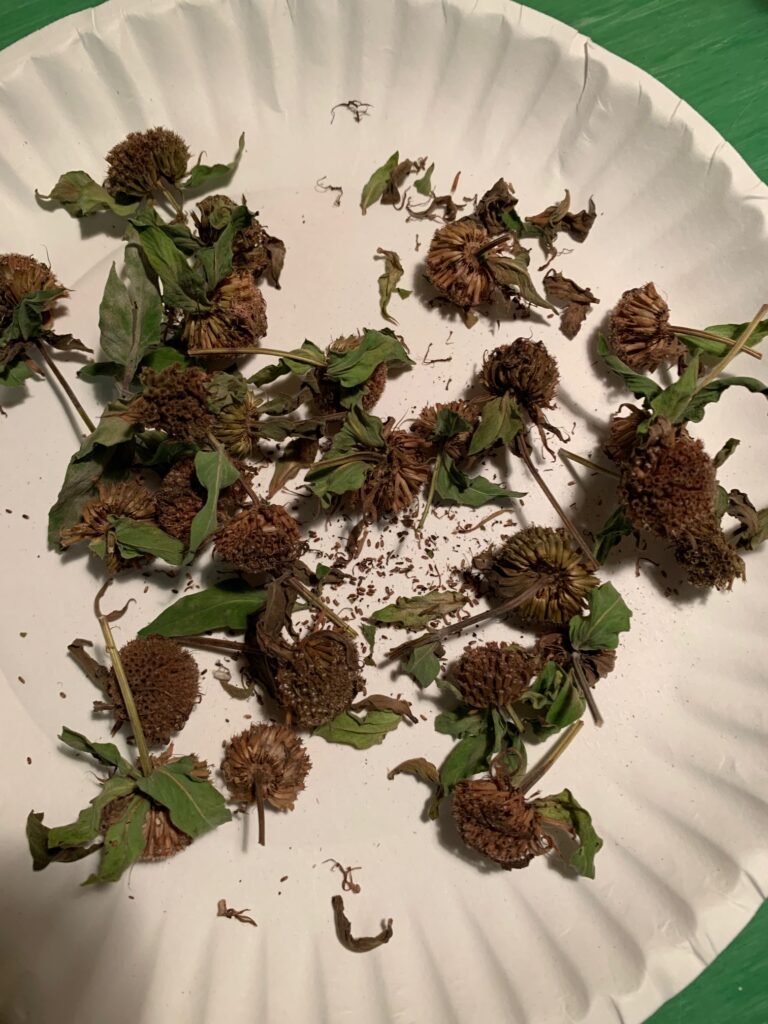
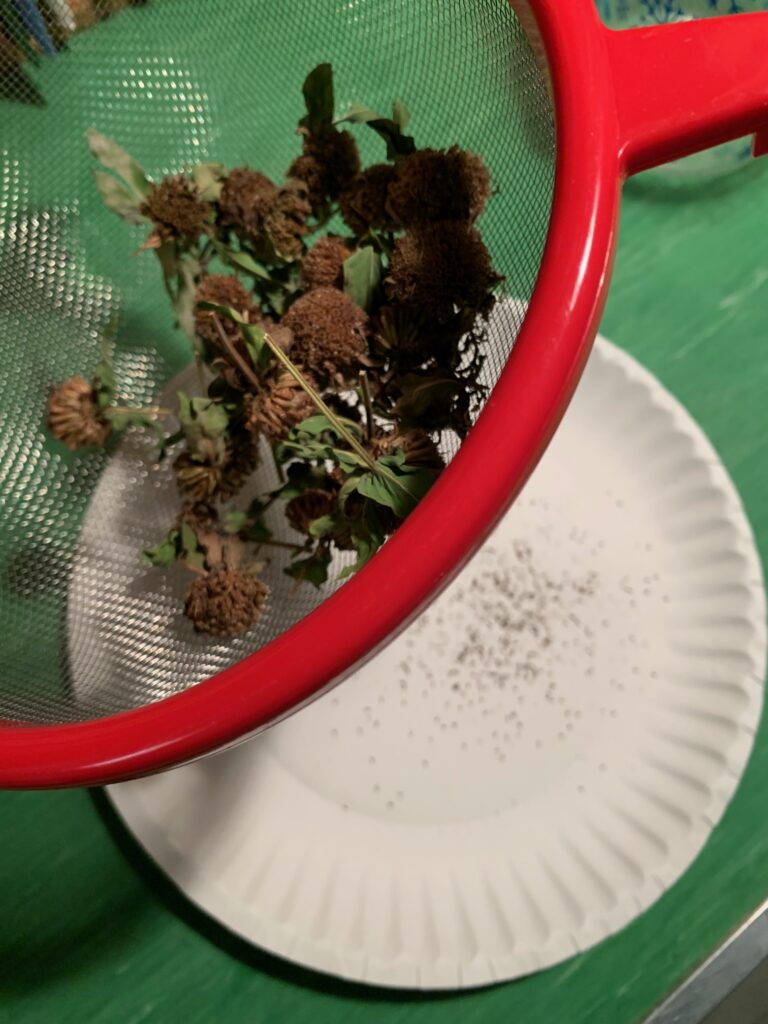
Wait until the seed heads are dry and brown. Clip them into a bag, then shake or crush to release the tiny nutlets and remove the chaff. A light touch goes a long way with this seed.
Wild Bergamot Species Info
Spotted Bee Balm Species Info
Mountain Mint Species Info
Slender Mountain Mint Species Info
Lespedeza capitata (Round-headed Bush Clover)
Snip the dry, dense seed heads into a bag. Rub or crush them to release the small seed.
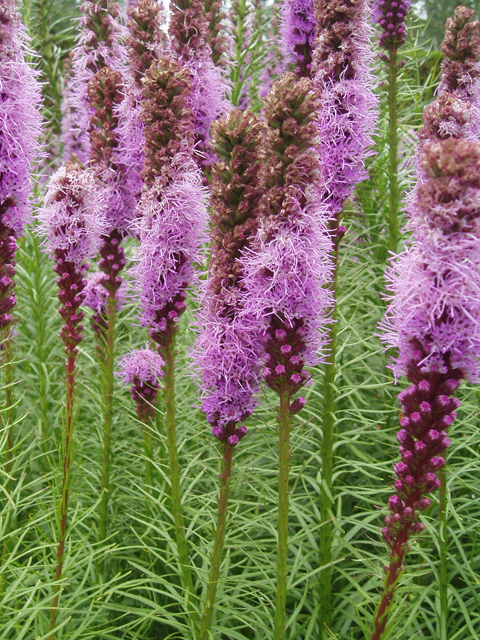
Liatris spp. (Blazing Stars)
These are trailing off for the season, so check them soon. Cut stems into a bag once the heads are dry, fluffy, and brown. Shake or rub the heads to separate the seeds from the chaff and feathery parachutes.
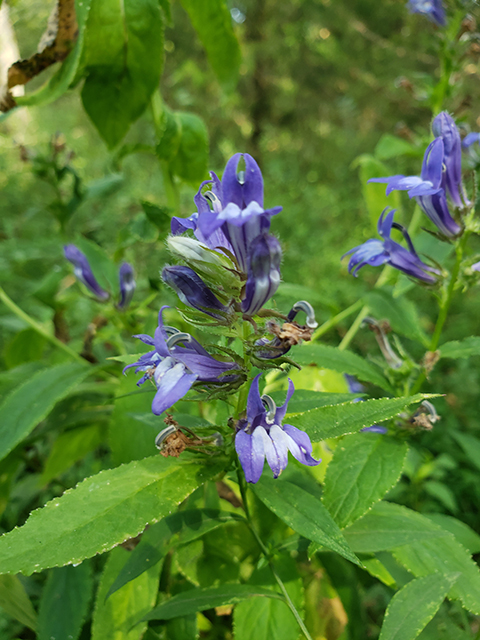
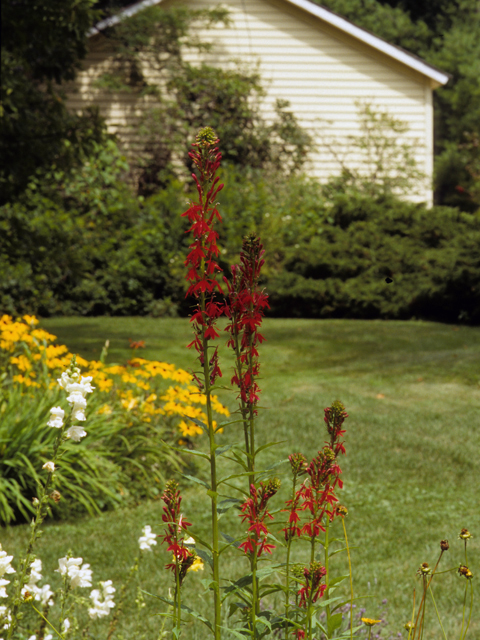
Lobelia spp. (Great Blue Lobelia, Cardinal Flower)
Snip stems into a bag once the capsules are dry. The seed is very fine and should shake loose when fully dry. Handle gently.
Cardinal Flower Species Info
Great Blue Lobelia Species Info
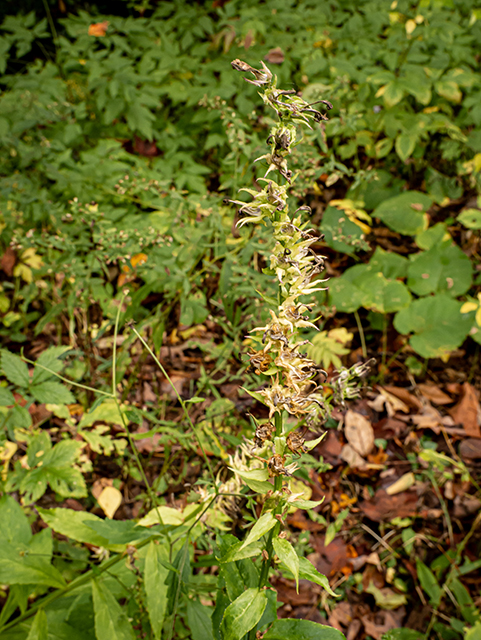
Penstemon spp. (Beardtongues)
Wait until the capsules are dry and brown. Snip the stalks into a bag, and crush the seed heads if the seed doesn’t release on its own.
Foxglove Beardtongue Species Info
Hairy Beardtongue Species Info
Pale Beardtongue Species Info
Ratibida pinnata (Yellow Coneflower)
Snip the tall, dark cones once they are dry and crumbly. Finish drying them in a paper bag, then rub to release the seed.
Rudbeckia spp. (Black-eyed Susan, Brown-eyed Susan)
Snip small, dark, dry cones into a bag. Finish drying them, then shake or crush to release the seed.
Black-eyed Susan Species Info
Brown-eyed Susan Species Info
Sweet Black-eyed Susan Species Info
Senna hebecarpa (Wild Senna)
Wait until the long pods turn dark and the seeds rattle. Snip the pods into a bag, then open them to release the seed.
Silphium spp. (Cup Plant, Compass Plant, Prairie Dock)
Snip the dry, papery heads into a bag. The seeds are big and flat, so they are easy to spot and rub out.
Cup Plant Species Info
Compass Plant Species Info
Prairie Dock Species Info
Solidago spp. (Goldenrods)
Wait until the plumes turn fuzzy and gray. Snip them into a bag on a dry afternoon, then shake or rub to release the seed.
Showy Goldenrod Species Info
Zig Zag Goldenrod Species Info
Stiff Goldenrod Species Info
Old Field Goldenrod Species Info
Late Goldenrod Species Info
Wrinkle-leaf Goldenrod Species Info
Early Goldenrod Species Info
Symphyotrichum spp. (Asters)
Wait until the seed heads have gone to gray-white fluff. Collect on a dry, sunny afternoon so the seed isn’t damp. Snip the heads into a bag and rub to release the seed.
New England Aster Species Info
Sky Blue Aster Species Info
Aromatic Aster Species Info
Heart-leaved Aster Species Info
Panicled Aster Species Info
Verbena hastata and V. stricta (Blue Vervain, Hoary Vervain)
Snip the dried spikes into a bag and shake to release the seed.
Vernonia spp. (Ironweed)
These are trailing off for the season, so check them soon. Snip the rusty, fluffy heads once dry, then rub to release the seed.
Common Ironweed Species Info
Tall Ironweed Species Info
Missouri Ironweed Species Info
Veronicastrum virginicum (Culver’s Root)
Snip the tall, dry spikes into a bag. Shake or crush the capsules to release the tiny seed.
Grasses
Andropogon gerardii (Big Bluestem)
Wait until seeds are tan to brown and dry. Strip the seeds by hand into a paper bag, or snip the “turkey foot” seed heads and dry them in a bag.
Bouteloua curtipendula (Sideoats Grama)
Wait until seeds are tan and dry, then strip them by hand or with a wide-tooth comb into a paper bag.
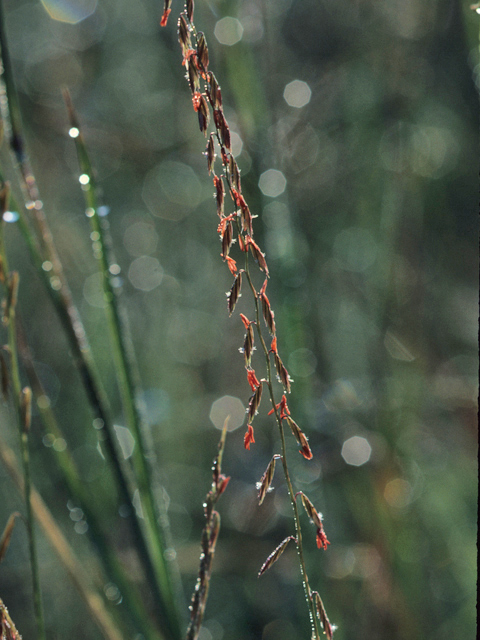
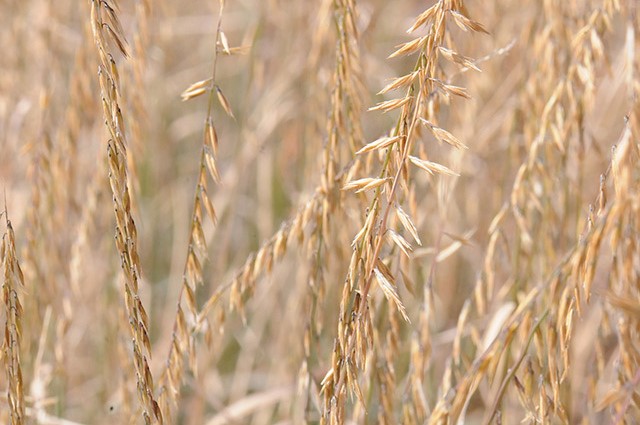
Eragrostis spectabilis (Purple Lovegrass)
Wait until the airy seed heads are dry. Strip them into a bag or snip the heads and shake out the fine seed.
Panicum virgatum (Switchgrass)
Wait until the open, airy seed heads are dry. Snip them into a bag and shake, or strip the seed by hand.
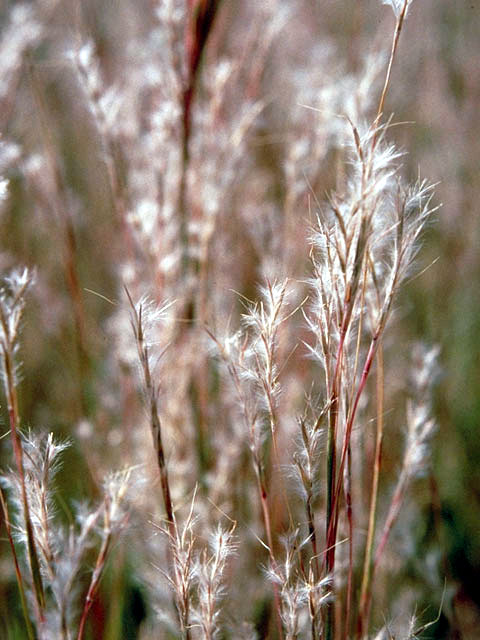
Schizachyrium scoparium (Little Bluestem)
Seeds are fluffy and silvery now. Strip them by hand into a bag, keeping the bag close because the seeds are light.
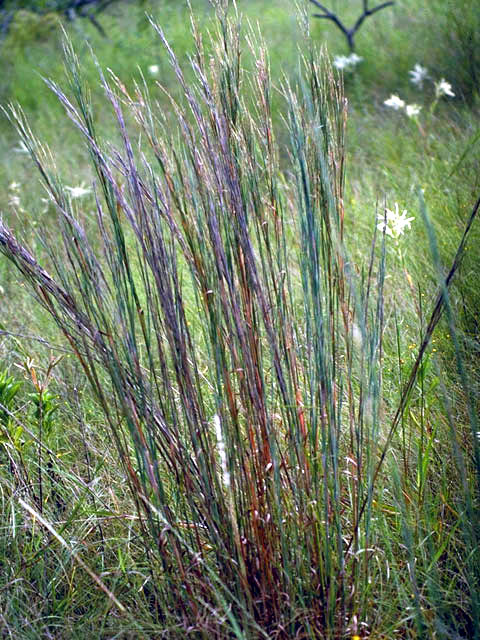
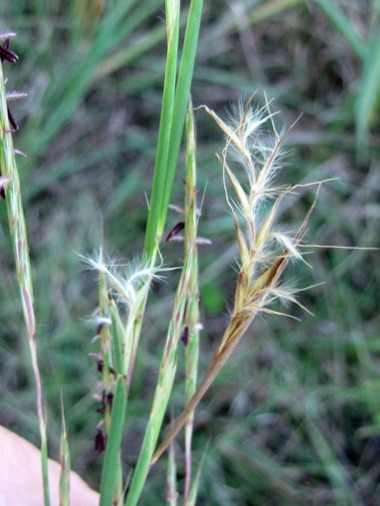
Sorghastrum nutans (Indian Grass)
Wait until the golden, plume-like seed heads are dry. Strip the seed by hand into a bag, or snip the heads and shake.
Sporobolus heterolepis (Prairie Dropseed)
The small, round seeds drop easily from the airy sprays. Hold a bag under the seed heads and shake, or strip them by hand.
Trees
Carya spp. (Hickories)
Collect fresh nuts from the ground as they drop, and skip any with tiny holes. Nuts dry out fast, so keep them cool and moist and sow or store them soon after collecting.
Celtis occidentalis (Hackberry)
Pick ripe, dark berries. Clean the pulp off the seed and keep it cool and moist until sowing.
Cercis canadensis (Redbud)
Collect pods once they are dry and brown. Shell the seeds out by hand.
Crataegus spp. (Hawthorn)
Pick ripe fruit and clean the pulp off the seed. Keep it cool and moist until sowing.
Gymnocladus dioicus (Kentucky Coffeetree)
Collect pods once they are dry and brown. Break them open to remove the hard-coated seeds.
Juglans nigra (Black Walnut)
Collect nuts from the ground as they drop. Wear gloves, since the husks stain. Keep nuts cool and moist, and sow or store them soon.
Liriodendron tulipifera (Tulip Tree)
Gather seed cones as they break apart, before they scatter. Separate the winged seeds from the cone scales.
Platanus occidentalis (Sycamore)
Collect seed balls once they are ready to crumble. Gloves and a mask help with the fuzz.
Quercus spp. (Oaks)
Collect fresh acorns from the ground. Skip any with tiny holes, and toss any that float. Keep acorns cool and moist, and sow or store them soon since they dry out fast.
Tilia americana (Basswood)
Collect the dry, brown nutlets along with their papery bracts.
Shrubs
Aronia spp. (Chokeberry)
Pick berries once they are fully ripe and dark. Clean the pulp off the seed and keep it cool and moist until sowing this fall or winter.
Cephalanthus occidentalis (Buttonbush)
Seed balls are brown and dry now and hang on well into winter. Snip them into a bag, then shake or crush them to release the seed.
Ilex verticillata (Winterberry)
Pick berries once they are red and ripe. Clean the pulp off the seed and keep it cool and moist until sowing. Leave plenty for the birds.
Physocarpus opulifolius (Ninebark)
Capsules have dried to brown. Snip them into a bag, then shake or crush to release the seed.
Ptelea trifoliata (Hop Tree)
Collect the papery, wafer-like seed clusters once they are dry and tan.
Rhus spp. (Sumacs)
Snip the red fruit clusters into a bag. They hang on through winter, so there is still time. Rub the fruit to separate the seed, and leave plenty for the birds.
Rosa spp. (Wild Roses)
Pick hips once they are red and ready. Cut them open and clean out the seed.
Staphylea trifolia (Bladdernut)
Collect the papery, inflated capsules once they rattle. Open them to release the seed.
Viburnum spp. (Nannyberry, Blackhaw, Arrowwood)
Pick ripe blue-black or red fruit. Clean the pulp off the seed and keep it cool and moist until sowing. Leave plenty for the birds.