Jump to section
Community science (sometimes called “participatory science” or “citizen science”) is a form of research that provides everyone-regardless of their background-an opportunity to contribute meaningful data to further our scientific understanding of key issues.
https://xerces.org/community-science
When to ‘Do’ Community Science
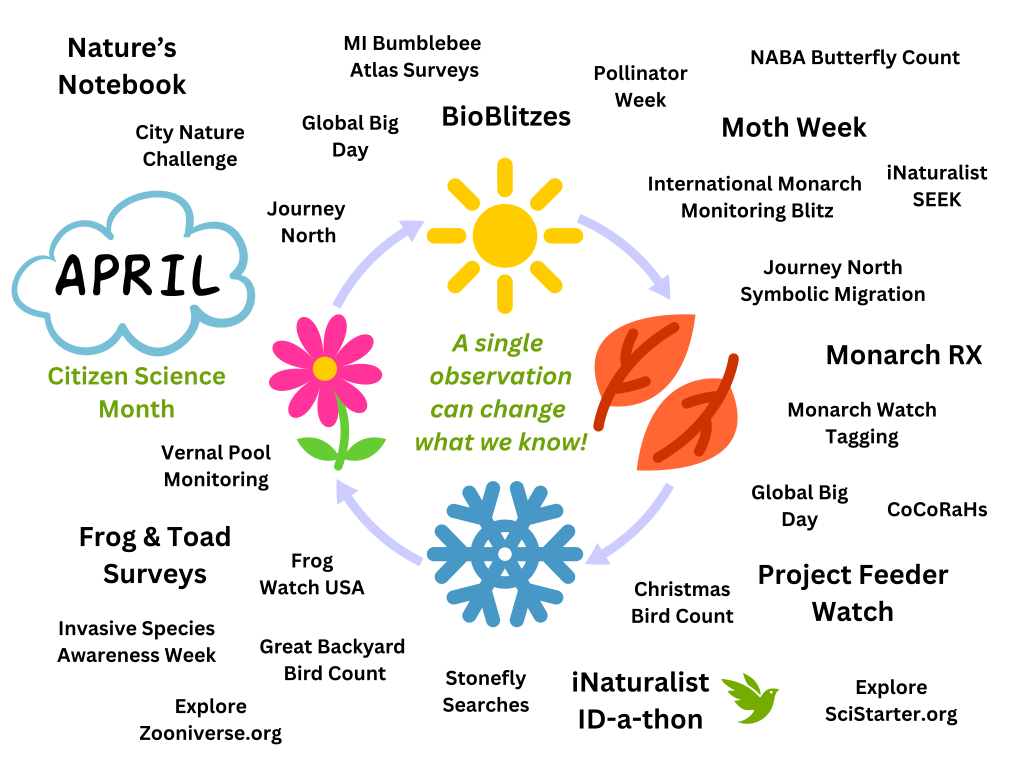
It is a common misconception that there are only opportunities to do community science in the summer months when insects are buzzing and plants are growing and in bloom. The reality is that there are great opportunities to be involved in real science year-round!
September 2026 Featured Initiatives
Symbolic Monarch Migration Project
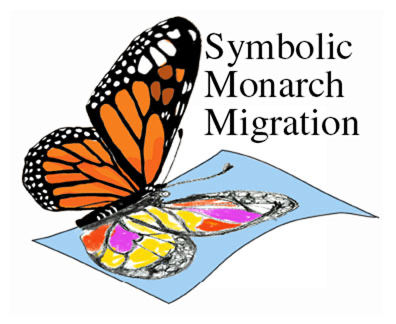
The Symbolic Monarch Migration project is a great opportunity to get youth involved in learning about Monarch conservation and ambassadorship! It’s great for classrooms, homeschoolers, scouts and other youth groups. Zoos, nature centers and libraries are also welcome to participate!
iNat Together
Nat Together (September 18–28) is a global campaign encouraging iNaturalist users to connect in person over nature!
To foster this connection we are hosting a special BioBlitz event Sunday, September 20th at the University of Michigan Dearborn Environmental Interpretive Center (EIC).
Apps for Observation and Reporting 📱🌱🦉🍄
There are many great tools to contribute to community science. The tools below are the ones that we recommend to use to get involved.
iNaturalist
With the iNaturalist app you can report your nature observations, share with fellow naturalists and discuss your findings. Start building your knowledge while contributing to research projects, both local and global! These research grade observations all feed into the Global Biodiversity Information Facility to help scientists find and use your data.
SEEK by iNaturalist
You can use the SEEK app to identify wildlife, plants and fungi. It’s a great app for anyone, but it is also particularly friendly for families and those concerned about privacy as there is no registration required or user data collected. They compare your images against the iNaturalist observations to identify what you have observed with image recognition technology.
Midwest Invasive Species Information Network (MISIN)
The Midwest Invasive Species Information Network (MISIN) has an observation and identification app that helps with the capture of invasive species field observation data. It allows you to browse invasive species data, report invasive plant and animal species and provides a simple field data collection interface.
Merlin Bird ID and eBird
Merlin Bird ID is an app that helps you to identify birds via a simple three question wizard, the song and call using the audio from your device or by image recognition of a photo taken in the app or imported from your photos.
Merlin is powered by eBird, the world’s largest database of bird sightings, sounds and photos. With the eBird app, you can submit your sightings and contribute to scientific bird research. You can also track lists and explore bird sightings near you. Enroll in this free course to learn more.
Monarch Watch
The Monarch Watch App allows you to capture images of tags to automatically import codes to streamline the process of tracking Monarchs. Keep track of the data you’ve collected, get detailed instructions on tagging and gain access to Monarch resources through the app.
Project Monarch
Project Monarch is a project that allows the public to participate in data collection of monarch migratory movement. Project Monarch utilizes a small tracking device that transmits on the same frequency as Bluetooth devices such as smartphones. This feature means that any modern smartphone can potentially be a receiver for these tags!
Citizen Science Projects and Initiatives
Wild Ones Wayne County firmly believes that Citizen Science is Science for Everyone! Community or “citizen” observations can help scientists learn what’s happening near you. Become a part of the science and research community by checking out some of these great opportunities.
SciStarter
SciStarter is a database you can use to search for citizen science projects based on your interests. Create a free account to organize projects, make lists, track your contributions and more!
Check out our curated list for Wild Ones members here.
SciStarter also provides self-guided trainings to help you learn more about citizen science and how you can serve as a resource for your community! You’ll find materials that support educators, youth groups and libraries.
Department of Natural Resources (DNR)
The Michigan DNR Community Science Page lists opportunities in Michigan as well as national/international opportunities to participate in community science.
Xerces Society
The Xerces Society is a nonprofit focused on invertebrate conservation and they have a host of community science projects that you can contribute to.
Monarch Joint Venture
The Monarch Joint Venture is a national partnership dedicated to conserving monarch butterflies and other pollinators. They list multiple community science programs and a guide on which one may be the best fit for you.
Journey North
You can help track migrations and seasons by reporting your sightings at Journey North, from monarchs and milkweed to hummingbirds and more! Sign-up for weekly news updates, gain access to resources and follow real-time interactive maps.
Project GNBee
Project GNBee Objectives: (1) Engage community scientists to locate and map nesting sites of ground nesting bees, (2) use biotic and abiotic landscape data from existing nest-sites to develop a predictive model for nesting, (3) encourage native bees in agricultural settings to enhance fruit production.
Big Tree Hunt Contest
ReLeaf Michigan is a statewide volunteer tree planting and education organization, and their Biennial Michigan Big Tree Hunt Contest is a great activity to engage in to try to find the biggest trees in the state.
DarkSky Globe at Night
DarkSky is a nonprofit focused on restoring the nighttime environment and protecting communities from the harmful effects of light pollution. They have a community science project called Globe at Night which is focused on measuring light pollution.
Cornell Lab of Ornithology
The Cornell Lab of Ornithology is a member-supported unit of Cornell University in Ithaca, New York, and world leader in the study and conservation of birds and biodiversity. They list a variety of bird counts, surveys and other participatory projects on their website. Whether you want to participate once a year or once a day, you’ll find their favorite birding projects to contribute to.
WILD HOPE
WILD HOPE is a series of short films highlighting changemakers working to protect and restore biodiversity around the world. Through their partnership with SciStarter, you can now find citizen science projects that connect to the content covered in films. Watch, learn, then participate!
CoCoRaHS
The Community Collaborative Rain, Hail, and Snow Network is a great opportunity to get outside every day and contribute to science by reporting the precipitation totals. The aim is to provide the highest quality data for natural resource, education and research applications.